Sulfur dioxide in foods: The fruit world has a dirty little secret. And no, it’s not that pineapples make terrible housewarming gifts. It’s sulfur dioxide—a gas that’s been sneaking its way into your dried snacks and sullying your sweet treats. So, what’s the deal with this not-so-fresh scandal?
Let's set the scene: You’re standing in the dried fruit aisle, probably looking for a guilt-free snack. You pick up a pack of dried mangoes, turn it around to check the ingredients, and there it is in small, unassuming letters: “Contains sulfites for freshness.” Sounds innocent, right? But hold on to your taste buds—there’s a lot more going on behind those parentheses.
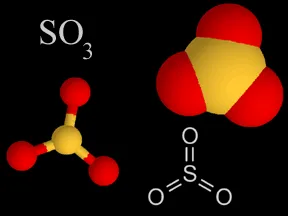
What Is Sulfur Dioxide, Anyway?
If you're imagining a sinister mad scientist dumping strange chemicals into your snacks, you're not too far off. Sulfur dioxide (SO₂) is a colorless, non-flammable gas with a smell that can clear out a room faster than last night's questionable leftovers. It’s commonly released when fossil fuels burn, so naturally, some genius decided, “Hey, let’s put that in food!” And voila, the preservative dream was born.
First introduced to food in the 1970s, sulfur dioxide found its way into meats, baked goods, and—you guessed it—dried fruit. It preserves color, fights off bacteria, and gives fruits a shelf-life longer than a box set of 90s sitcoms. But here’s the kicker: SO₂ wasn’t banned in food until it started sending asthma sufferers into coughing fits. The FDA finally stepped in and said, “Hey, let’s not kill people with our snacks, okay?” So, in 1986, it was banned from fresh fruits and vegetables. But dried fruit? Fair game.
Sulfites, a.k.a. The Wolf in Sheep’s Clothing
Sulfur dioxide has a sneaky alter-ego known as “sulfites.” Same damaging effects, less scary name. Sulfites release gas that wards off bacteria and keeps your food looking “fresh” enough to fool you. It’s like fruit Botox—but for preserving color instead of preventing wrinkles. That’s why your dried pineapple looks vibrant, and your raisins don’t resemble something scraped off the bottom of a hiking boot.
Look at the back of your dried fruit pack again. See the sulfites? That little “for freshness” tag may as well say, “May cause asthma attacks and destroy your snack dreams.” But hey, the FDA does require that foods with more than ten parts per million of sulfites carry a warning label. Phew, right? Well, not quite.
Sneaky Sulfur: The FDA Loophole
Here’s where things get shady. Some food companies dodge the FDA’s labeling requirements by soaking fruits in sulfur dioxide until they meet the “less than ten parts per million” threshold. Essentially, they boil the SO₂ out—leaving behind a fruit corpse with the texture of an old pencil eraser and a flavor profile as bland as unsweetened cardboard. But technically, they’re following the rules, so who’s going to call them out?
The bigger issue? Even at “safe” levels, sulfur dioxide can wreak havoc on certain people’s health. If you’re sensitive to sulfites, munching on SO₂-laced fruit might leave you gasping for air like you’ve just run a marathon in a wool sweater. And if you’ve got asthma, it’s not just unpleasant—it’s dangerous.
Are Sulfites Harmful? (Depends on Who You Ask)
The FDA stamps sulfites with the label “generally recognized as safe” (because who needs a definitive answer, right?). But in reality, sensitivity to sulfites varies from person to person. Symptoms can range from mild wheezing to a full-blown asthma attack, depending on your luck that day.
To put things in perspective, roughly 235 million people worldwide suffer from asthma. That’s 235 million people at a higher risk of keeling over from something as seemingly innocent as a dried apricot. Suddenly, that 99-cent bag at the corner store doesn’t seem like such a bargain.
It’s Not Just Us Humans—Your Pets Aren’t Safe Either
Sulfur dioxide has also found its way into pet foods. So, if you’ve ever wondered why your cat stares at you like it’s plotting your demise, maybe it’s just suffering from SO₂ exposure. Thiamine deficiency, caused by sulfites, is a serious condition for pets. It can lead to symptoms like depression, dilated pupils, and loss of coordination. Worst-case scenario? Seizures and sudden death.
Imagine explaining that to a customer who thought they were buying a premium pet snack.
The Unfiltered Fruit (And Truth)
So, what’s the solution? First, educate yourself on your fruit’s dark past. Some companies, have sworn off SO₂, opting for a more natural drying process that leaves their products flavorful, fresh-tasting, and sulfur-free. No chemical tricks. No sneaky loopholes.
But if you’re determined to navigate the dried fruit world on your own, make sure to ask yourself a few questions:
- Has this fruit been “sulfurized”?
- Does the label list sulfur dioxide or “sulfites”?
- Does this mango slice taste like fresh fruit or a rubber band?
If your dried fruit fails the taste test, it’s time to look for brands that prioritize real quality over artificial preservation.
Pros and Cons of Sulfite-Free Products
- Pros: You get to eat fruit that actually tastes like fruit! Plus, your lungs will thank you.
- Cons: The price tag might sting a bit more. But is a few bucks worth saving yourself from an asthma attack?
The bottom line about sulfur dioxide in foods? Check your labels, choose wisely, and when in doubt, go for the brands that proudly flaunt their sulfite-free status. Because while a little sulfur might keep fruit fresh, it’s not worth sacrificing your health—or your dignity—over a bag of dried mangoes.
Comments
Post a Comment